EASTERN EUROPE
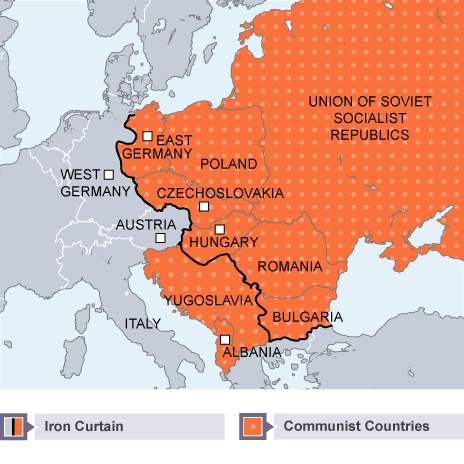
The compromise over Poland at the Yalta Conference became one of the most explosive controversies of the early Cold War era, drawing fierce criticism that the Western Allies had effectively sacrificed Eastern European sovereignty for the sake of a fragile wartime alliance. With the Soviet Red Army already physically occupying Polish territory, Joseph Stalin held a dominant negotiating position, forcing Winston Churchill and Franklin D. Roosevelt into a corner regarding Poland's future borders and leadership. The Allies ultimately agreed to a highly controversial territorial shift, allowing the Soviet Union to annex eastern Poland while compensating the Polish nation with seized German lands to the west. Even more contentious was the political settlement: rather than reinstating the democratic Polish government-in-exile based in London, the Western leaders acquiesced to Stalin's demand to recognize the Soviet-installed communist "Lublin" government, provided it was expanded to include democratic figures and hold "free and unfettered elections." In the months that followed, Stalin quickly broke these promises, ruthlessly suppressing democratic opposition and rigging the elections to secure total communist control. Consequently, Yalta became widely condemned in Eastern Europe and by Western critics as a historic betrayal that naively handed millions of people over to totalitarian Soviet domination, marking the official fracturing of the Grand Alliance and the undeniable beginning of the Iron Curtain.
Create Your Own Website With Webador