THE UNITED STATES
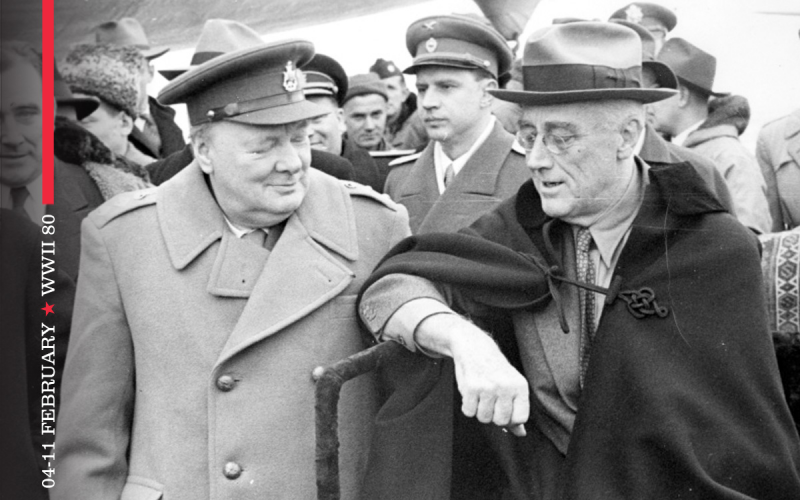

At the Yalta Conference in February 1945, the United States approached the negotiations with a blend of cautious optimism and urgent strategic priorities, largely driven by the fading health but resolute voice of President Franklin D. Roosevelt. Roosevelt’s primary objective was to secure Soviet commitment to enter the war against Japan and to cement the creation of the United Nations to ensure long-term global stability. Speaking with his characteristic diplomatic charm, weary pragmatism, and an underlying tone of idealism, FDR sought to act as a bridge between Winston Churchill’s staunch anti-communist skepticism and Joseph Stalin’s rigid demands for Eastern European security. Despite his physical frailty, Roosevelt’s voice at the conference championed self-determination and democratic elections for liberated nations—particularly Poland—while simultaneously making the calculated, realistic concessions necessary to maintain a fragile Allied unity as the world transitioned into a post-war era.
Create Your Own Website With Webador